Trunnion construction
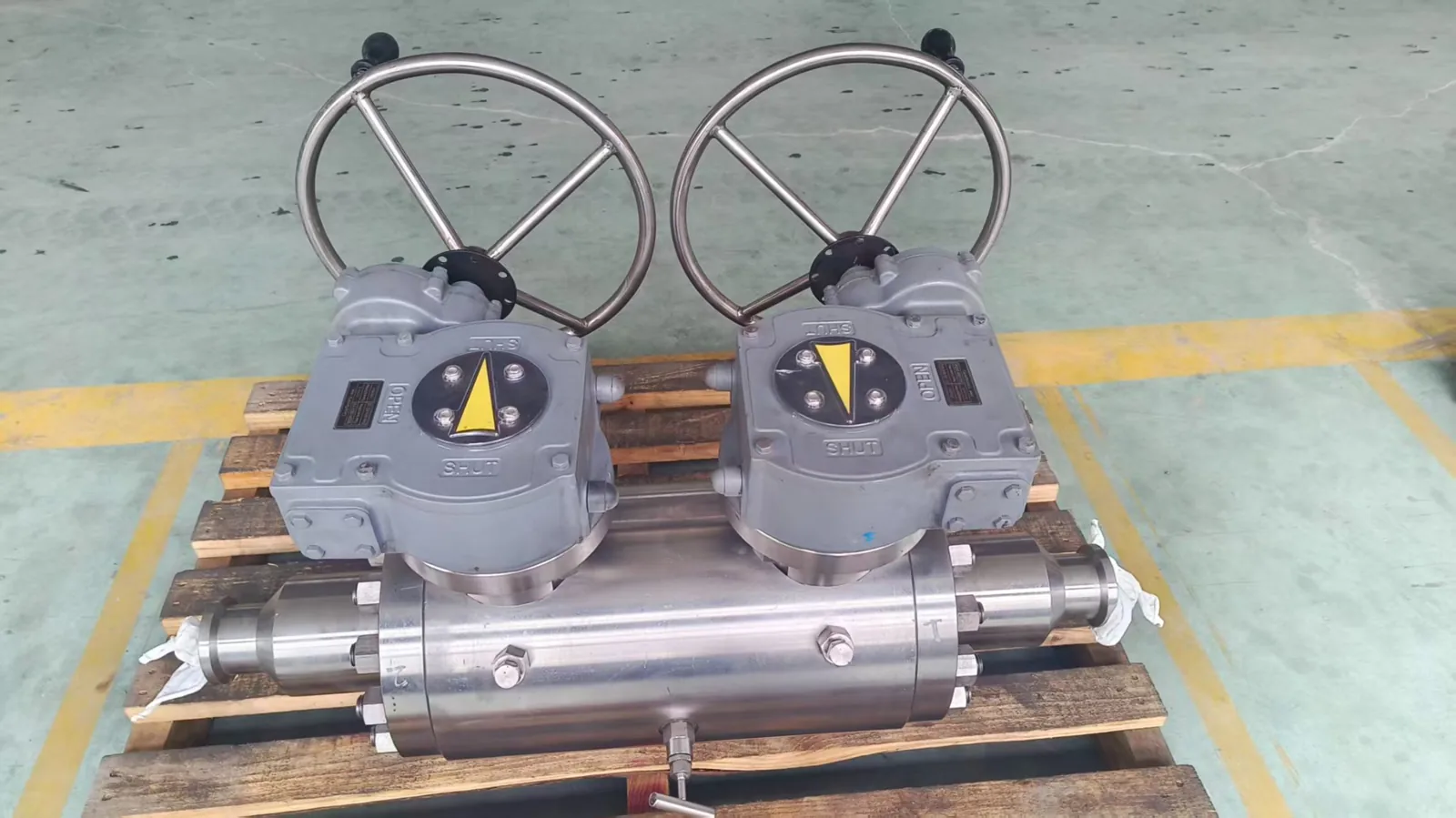
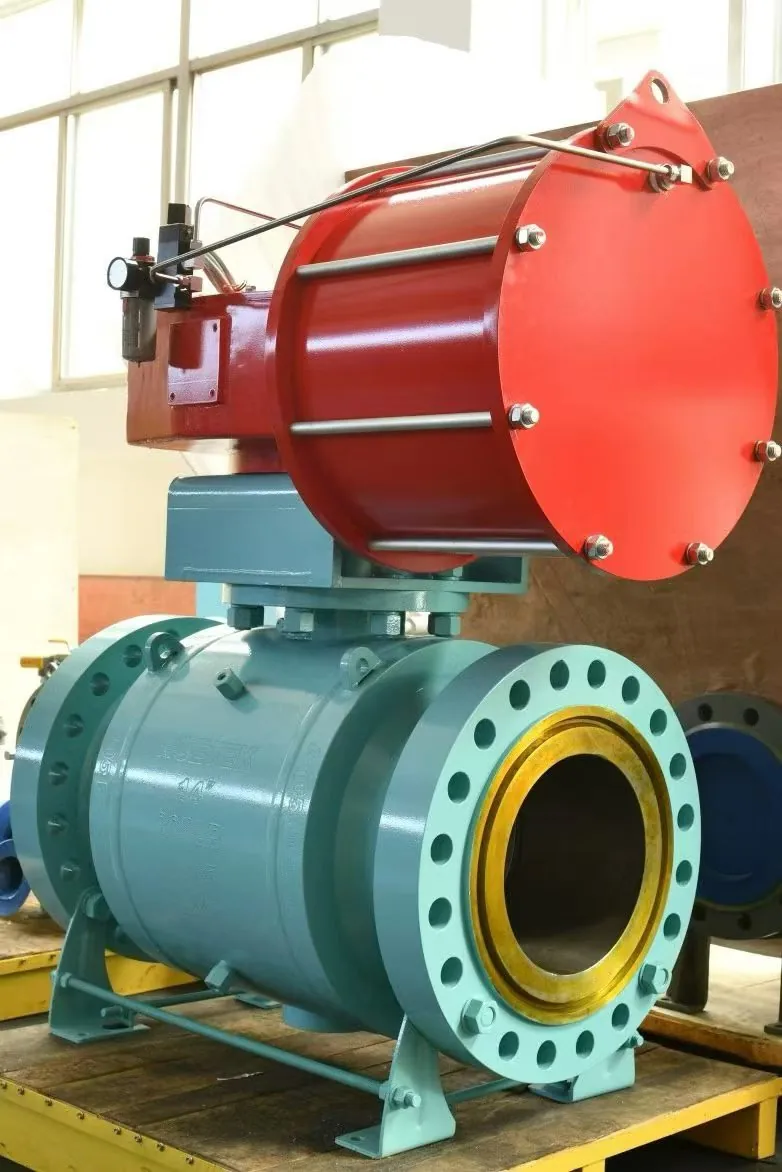
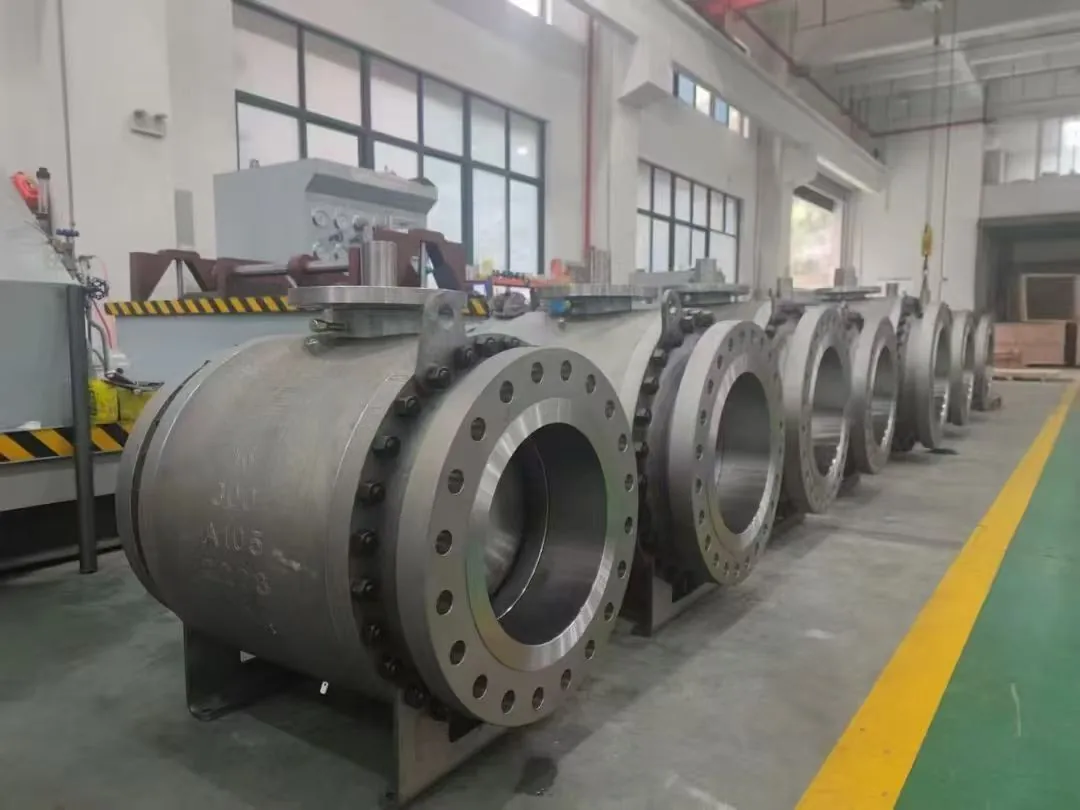
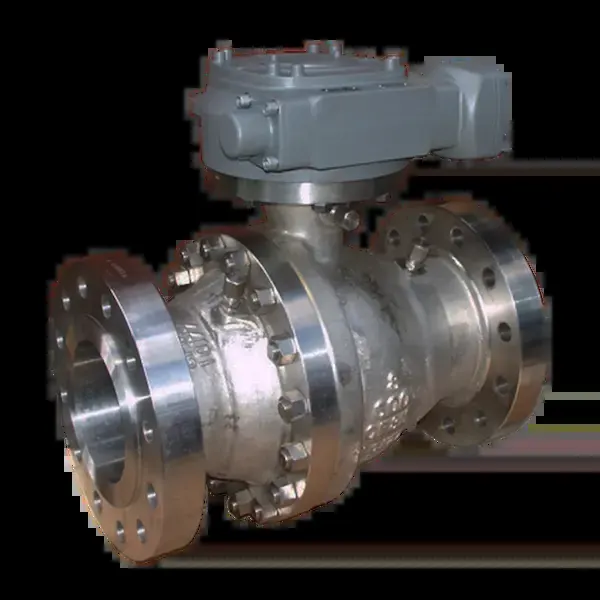
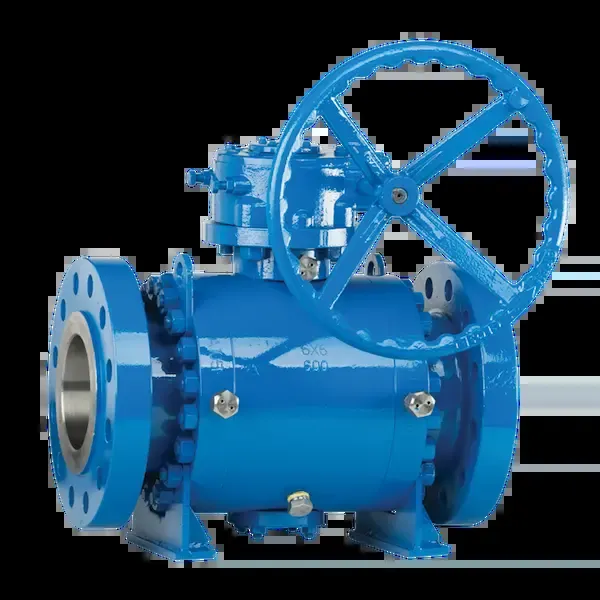
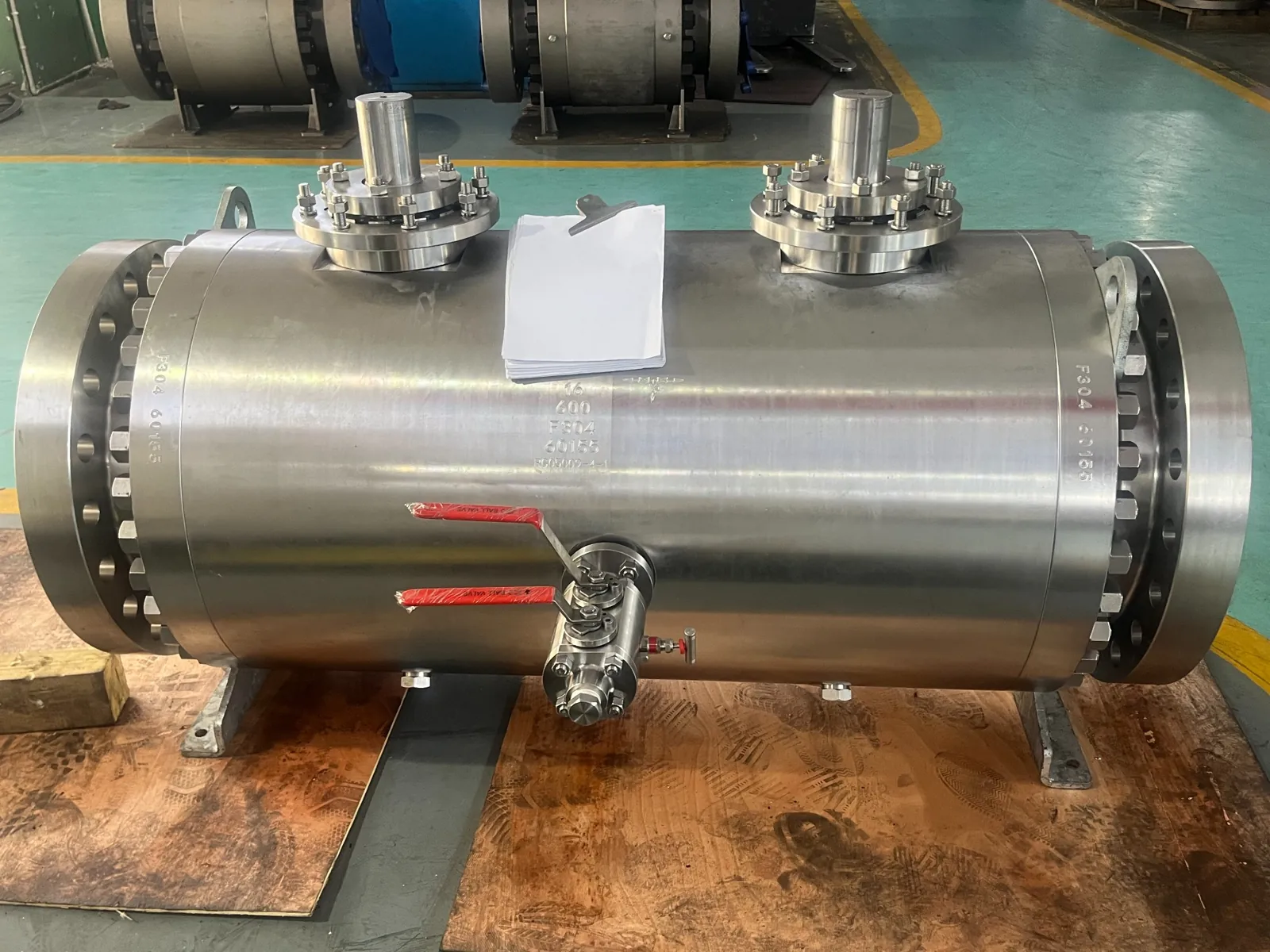
Trunnion support separates the ball support function from the seat sealing function. The seat arrangement is crucial: single-piston effect, double-piston effect, cavity pressure relief and isolation philosophy must follow the actual valve design and project specification.
Valve body and material selection
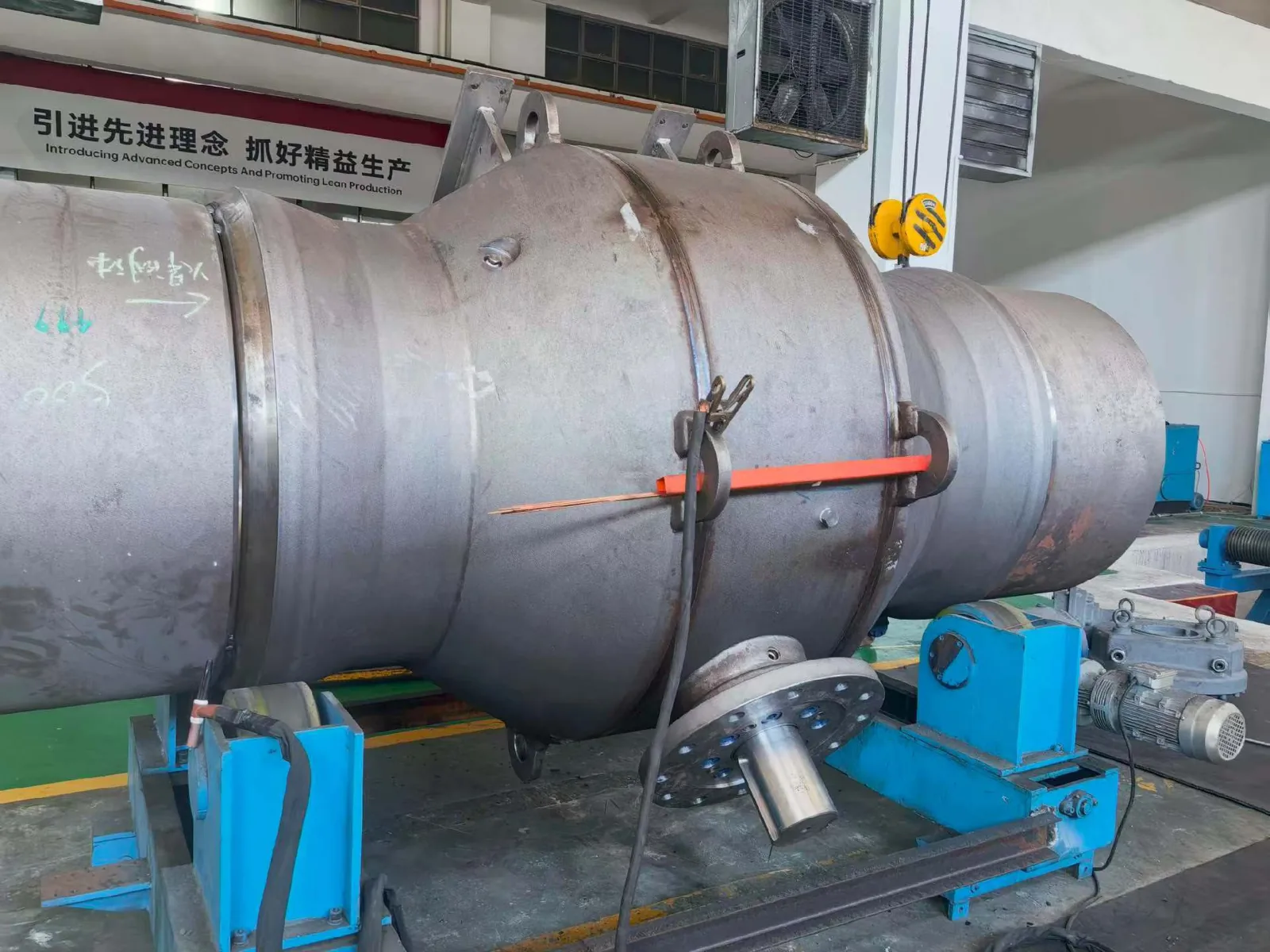
Specify body grades such as ASTM A105, A182 F316 or suitable casting grades where offered. Forged and cast versions are not interchangeable descriptions. Duplex and special-alloy bodies require confirmation of exact grade, procurement form and manufacturing route.
Pressure and end connection
Pressure classes, temperature limits and end connections need to be evaluated together. State ASME Class, bore, RF/RTJ/BW connection, design temperature and design pressure in the RFQ.
Actuation and technical documents
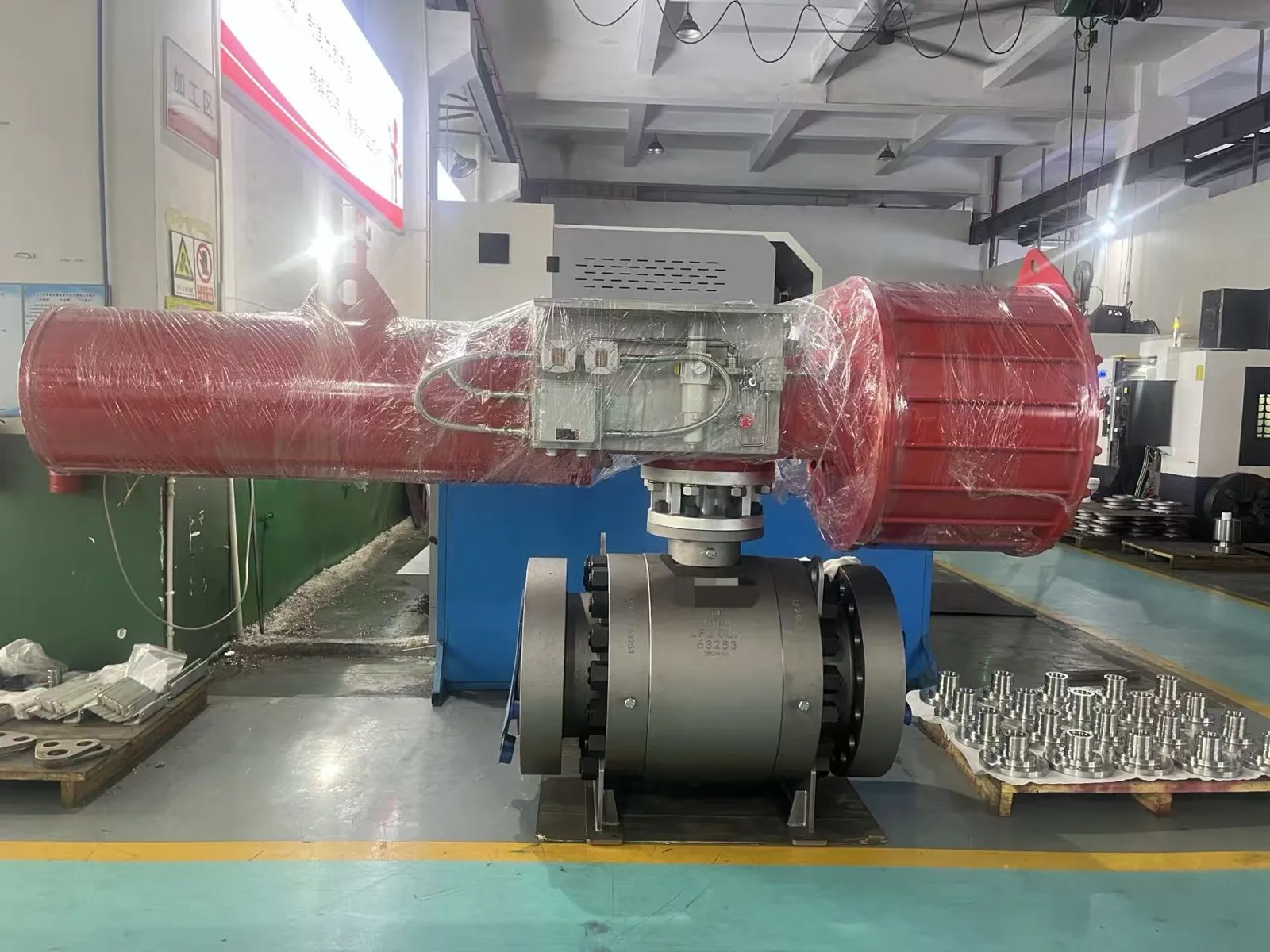
Provide shutoff differential pressure and duty for sizing pneumatic, electric or hydraulic actuation. Request a GA drawing, torque values, technical datasheet, bill of materials and pressure-test plan for engineering approval.
Frequently asked questions
Is trunnion mounted always metal seated?
No. Trunnion mounting describes ball support. Seats may be soft or metal depending on the model.
Which information is needed for actuator sizing?
Valve torque at relevant differential pressures, cycle time, fail action, available power and mounting dimensions.