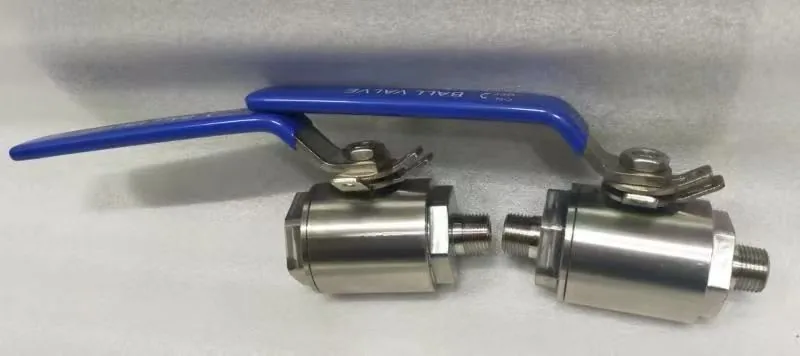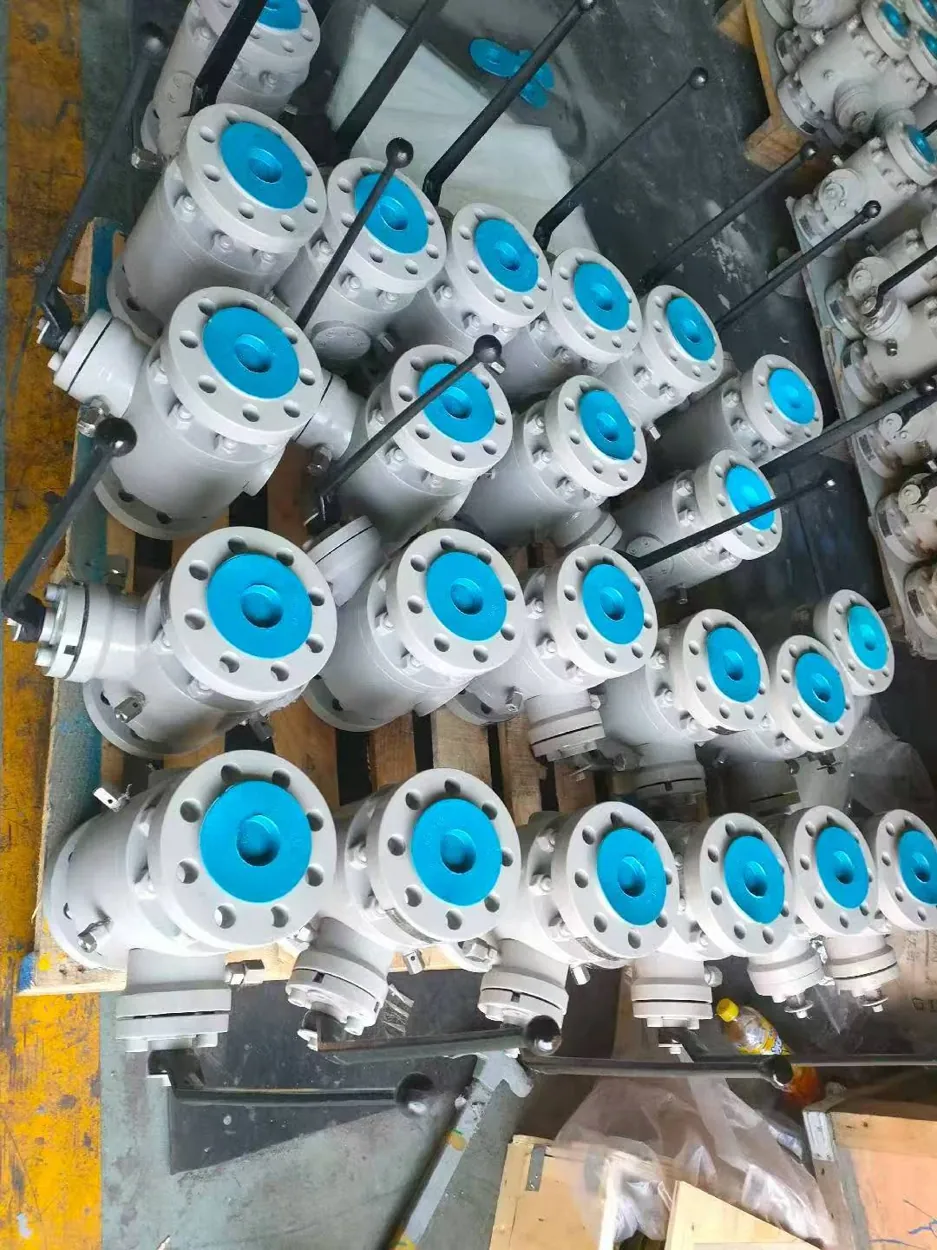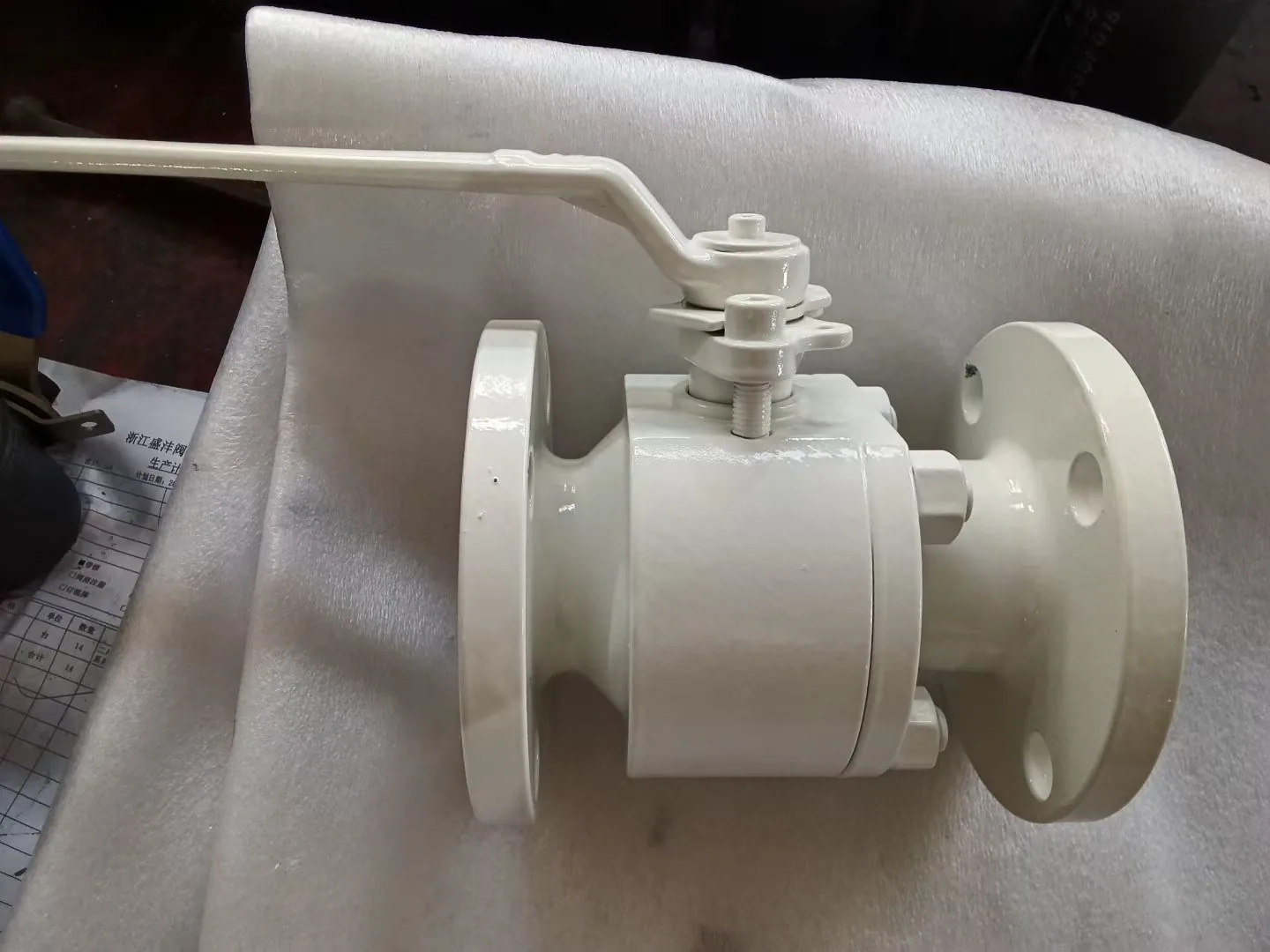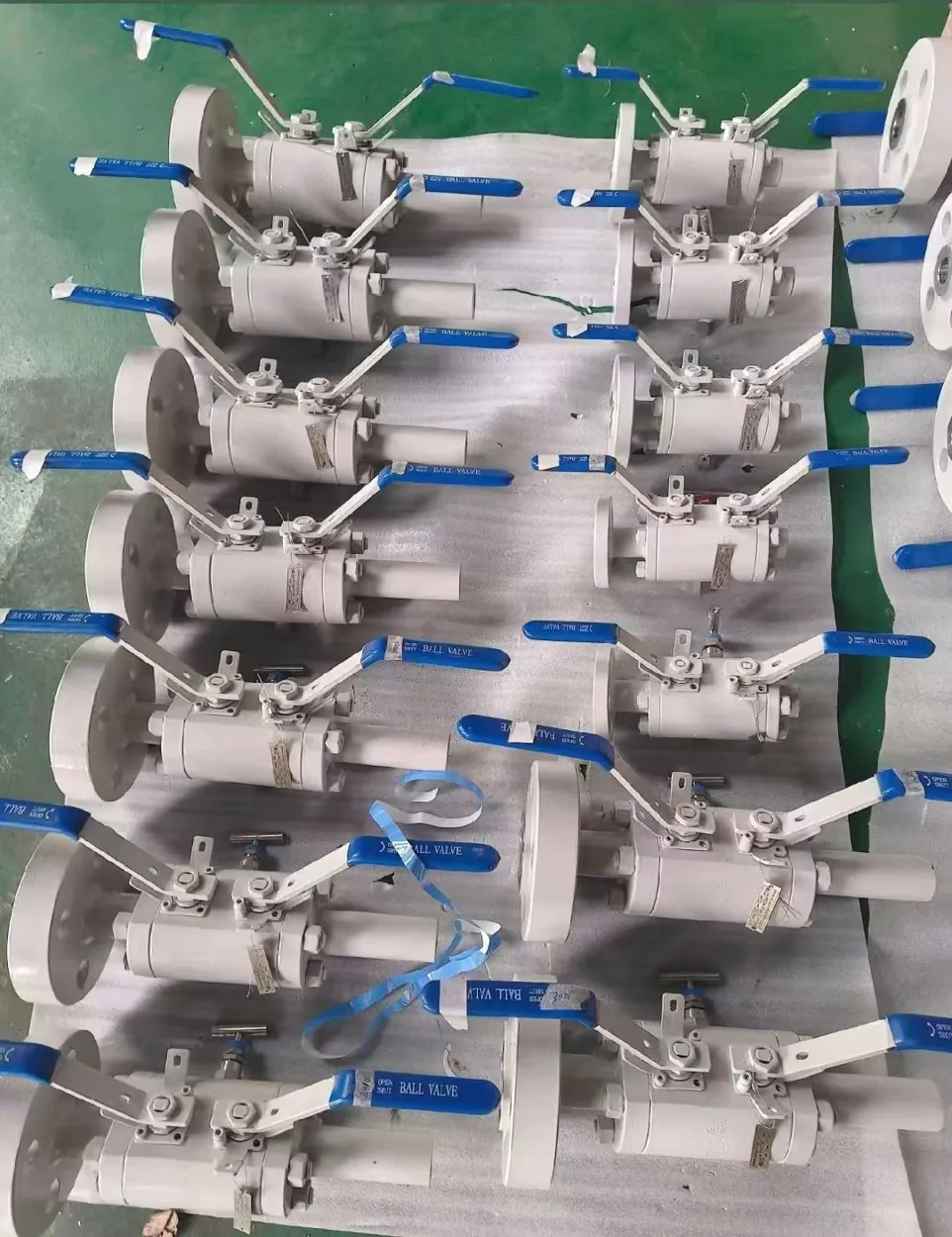
How the floating design works
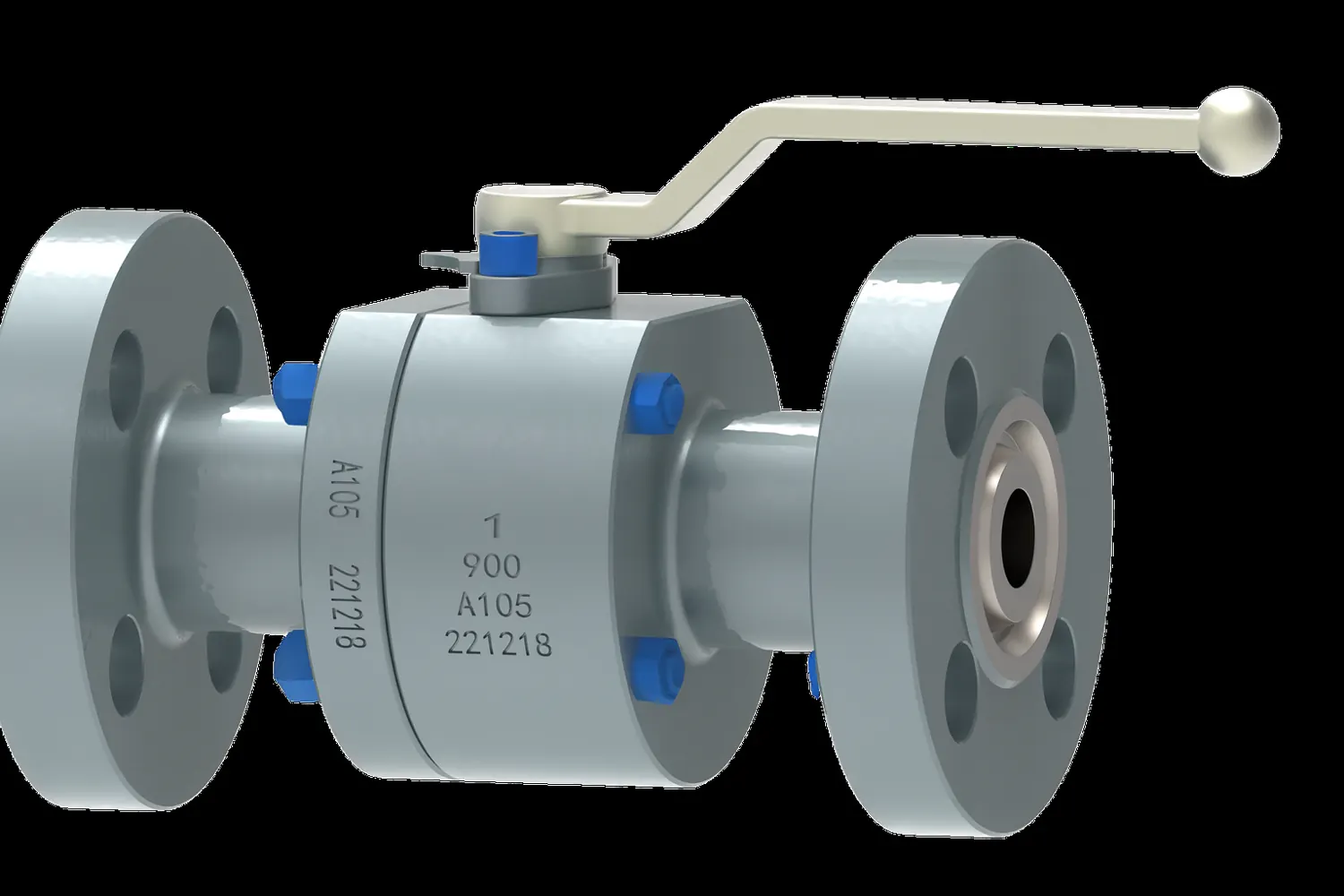
The ball is supported by the seat system rather than fixed upper and lower trunnion bearings. The seat design, differential pressure, temperature and media determine operating torque and sealing performance. A floating ball valve is not automatically suitable for every high-pressure or high-temperature duty.
Construction and body choices
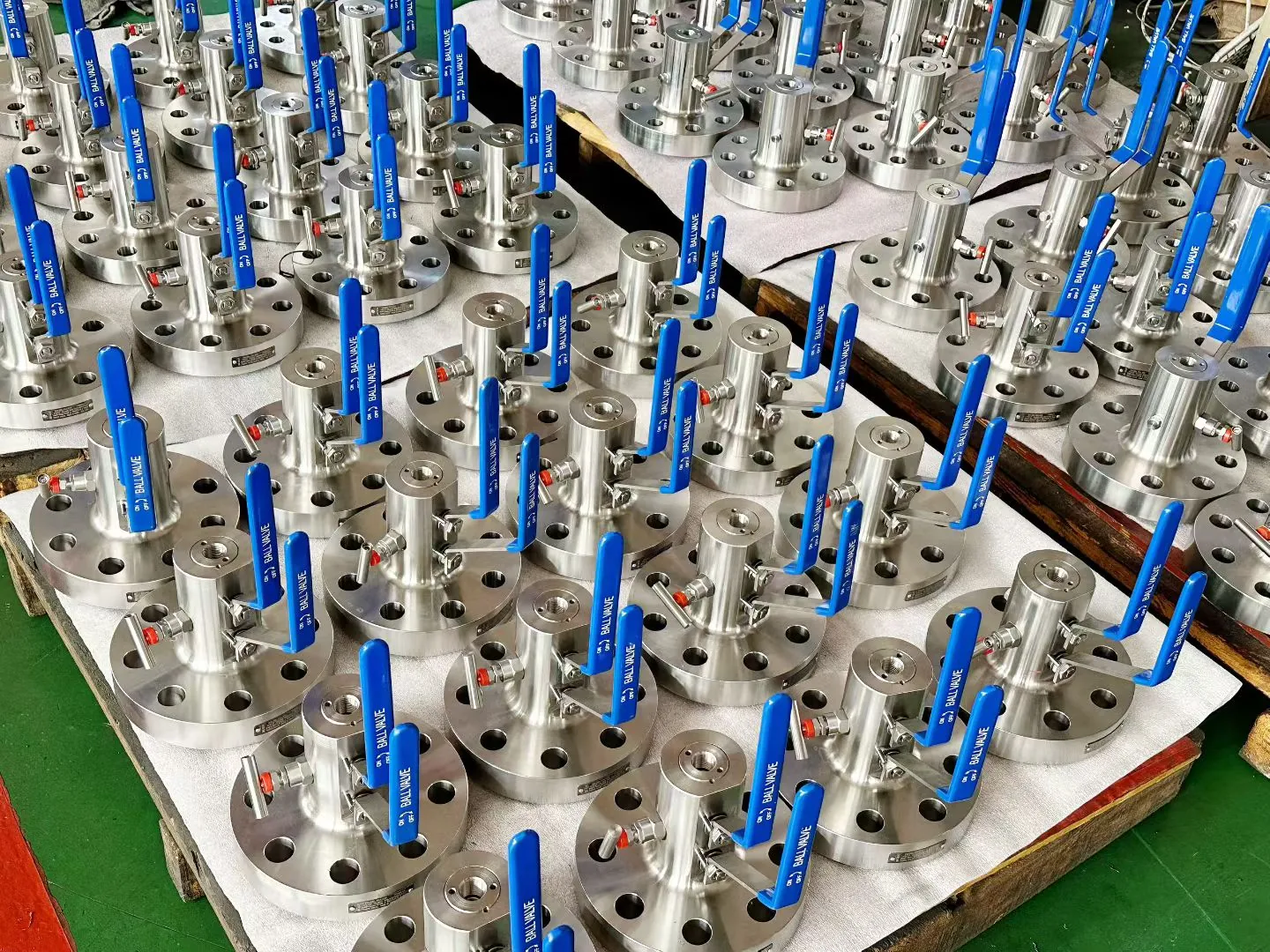
One-piece, two-piece and three-piece constructions support different maintenance and end-connection requirements. Specify a forged or cast body by the appropriate grade and product form rather than using “stainless steel” as the only material description.
End connections and operation
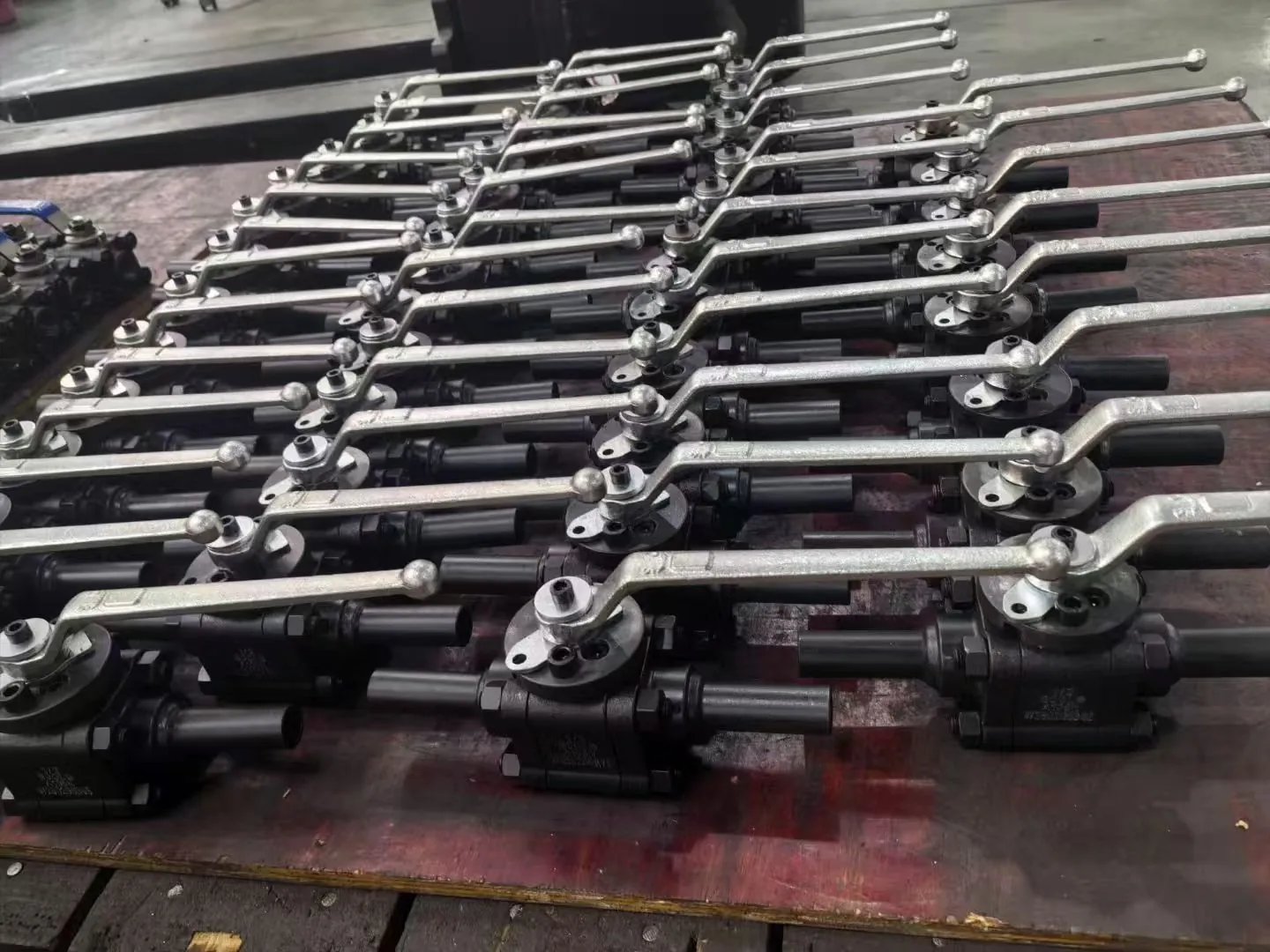
Common RFQ options include RF or RTJ flanges, threaded ends, socket weld ends and butt weld ends where the selected design permits. Lever, gear, pneumatic and electric operation should be selected using actual differential pressure and torque data.
RFQ checklist
Send size, class, full or reduced bore, ASTM body grade, trim, seat material, end connection, fluid, design temperature, differential pressure, operation and quantity.
Frequently asked questions
Is a floating ball valve the same as a trunnion valve?
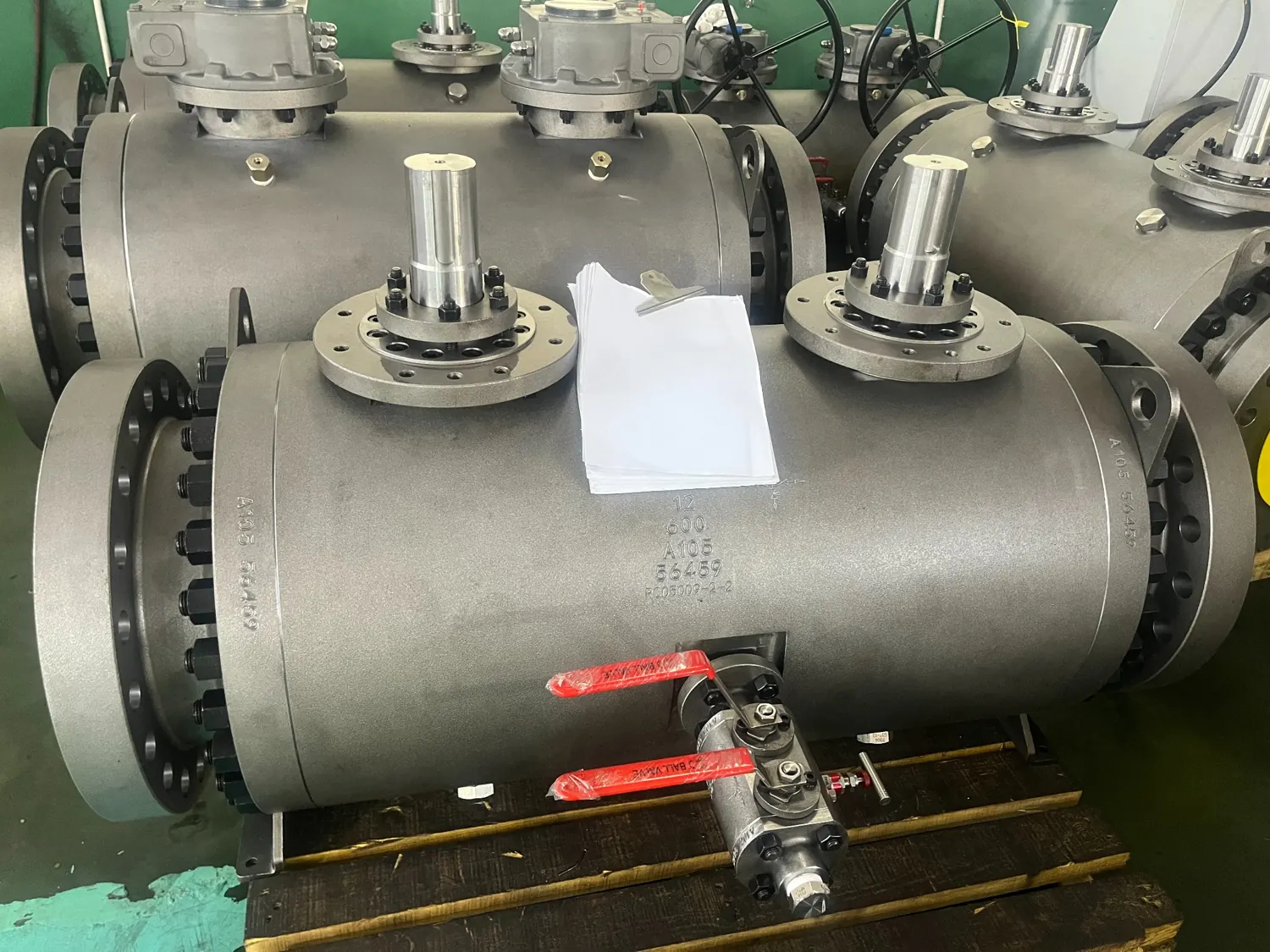
No. A trunnion-mounted ball uses mechanical supports. The selection affects load transfer, seats and operating torque.
Can floating ball valves be automated?
Yes, subject to verified torque, mounting interface and actuator selection.